With voters in Scotland and Wales preparing to head to the polls in the upcoming devolved elections, and millions voting in council elections in England, statistical claims are once again becoming a central part of political debate. But while statistics play a vital role in helping people understand the issues that matter, they can also be misused—intentionally or unintentionally—leading to confusion or misplaced confidence.
To support voters in navigating the weeks ahead, we are sharing our guide, Sound or suspicious? Ten tips to be statistically savvy, highlighting ten key areas to consider when evaluating the trustworthiness of any statistical claim on social media. The aim is simple: to help people feel confident asking questions, spotting red flags and understanding what the numbers really show.
The guide covers a broad range of topics, but three areas stand out during an election:
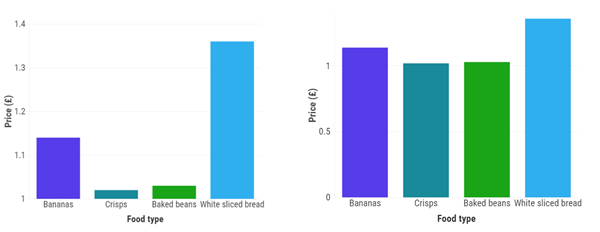
Figure 1: Misleading visuals
1. Misleading visuals
Graphs and charts can help make complex information easier to grasp, but they can also distort reality. Axes which do not start at zero, 3D visualisations or selective use of colours or imagery can all give an impression which is not supported by the underlying data. Voters should take note of design choices and ask whether the visual accurately reflects the numbers it presents.
.png.aspx?width=400&height=466 "CorVCausElection_010426_HD_CON-(2).png") 2. Correlation versus causation
2. Correlation versus causation
Campaign messages often highlight two trends that appear to move together, but that doesn’t mean one caused the other. Economic shifts, social changes, or policy outcomes can result from multiple overlapping factors. Our guide encourages voters to watch out for claims that oversimplify by implying direct cause and effect relationships where none have been proven.
3. Cherry-picking
Statistics can tell very different stories depending on which data points are chosen. Selecting only the most favourable time periods, regions, or groups can paint a misleading picture of a policy’s performance. A key question for voters is whether the claim represents a full or representative dataset—or only the parts that support a particular argument.
As the election approaches, our guide aims to equip voters with practical tools to interpret the numbers they encounter and make informed decisions at the ballot box. Read the RSS guide to statistics on social media here.